Get updates online
For updates on this project, follow the City on Facebook and Instagram. Project updates will also be posted to the City of Hobart website.

The $1.1 million project is equally funded by the City of Hobart and the Australian Government through the Disaster Ready Fund. It is administered by the Tasmanian Government Department of Premier and Cabinet.
We have made great progress removing crack willows from the Hobart Rivulet, and are moving into phase two of the project, removing these weedy trees from the Sandy Bay Rivulet.
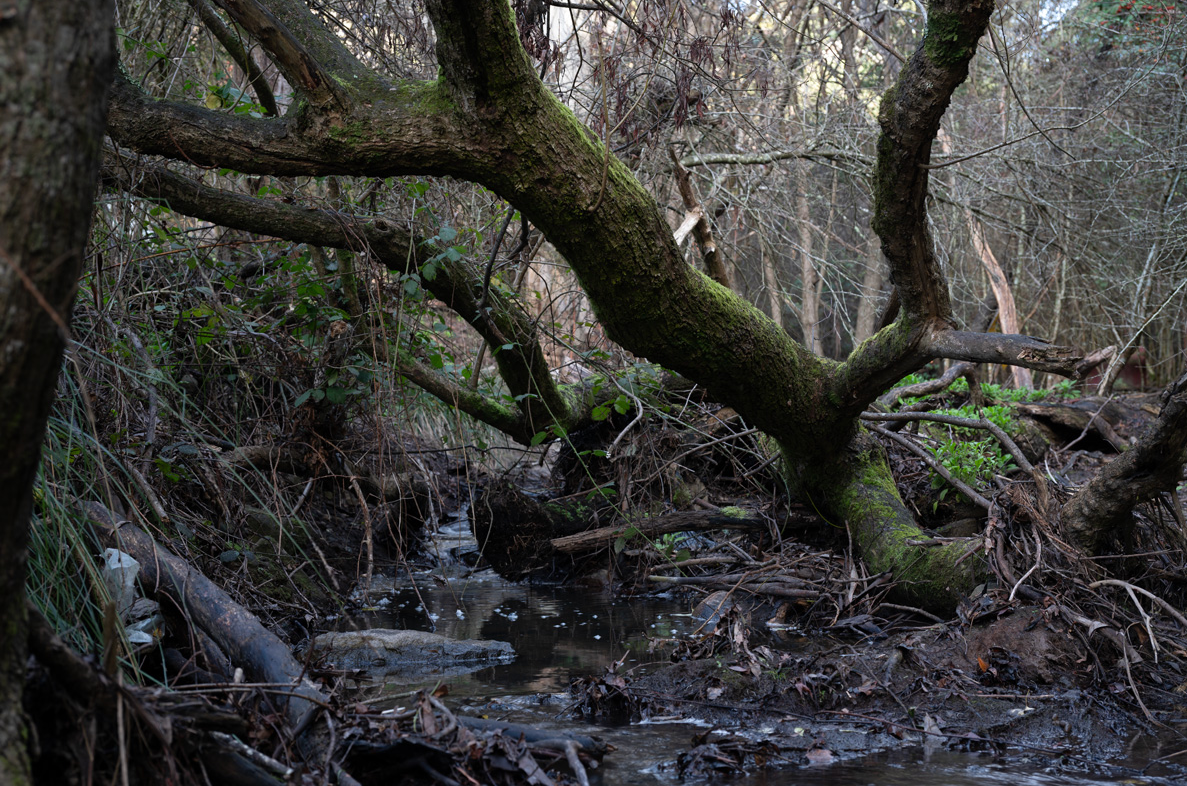
Crack willows are environmentally harmful and pose a real risk to Hobart’s stormwater infrastructure.
This project aims to:
1. Rewild our rivulets by removing environmentally destructive crack willows and replacing them with native habitat.
2. Reduce the risk of fallen willow branches blocking critical stormwater channels and increasing the risk of flood damage to residents and businesses.
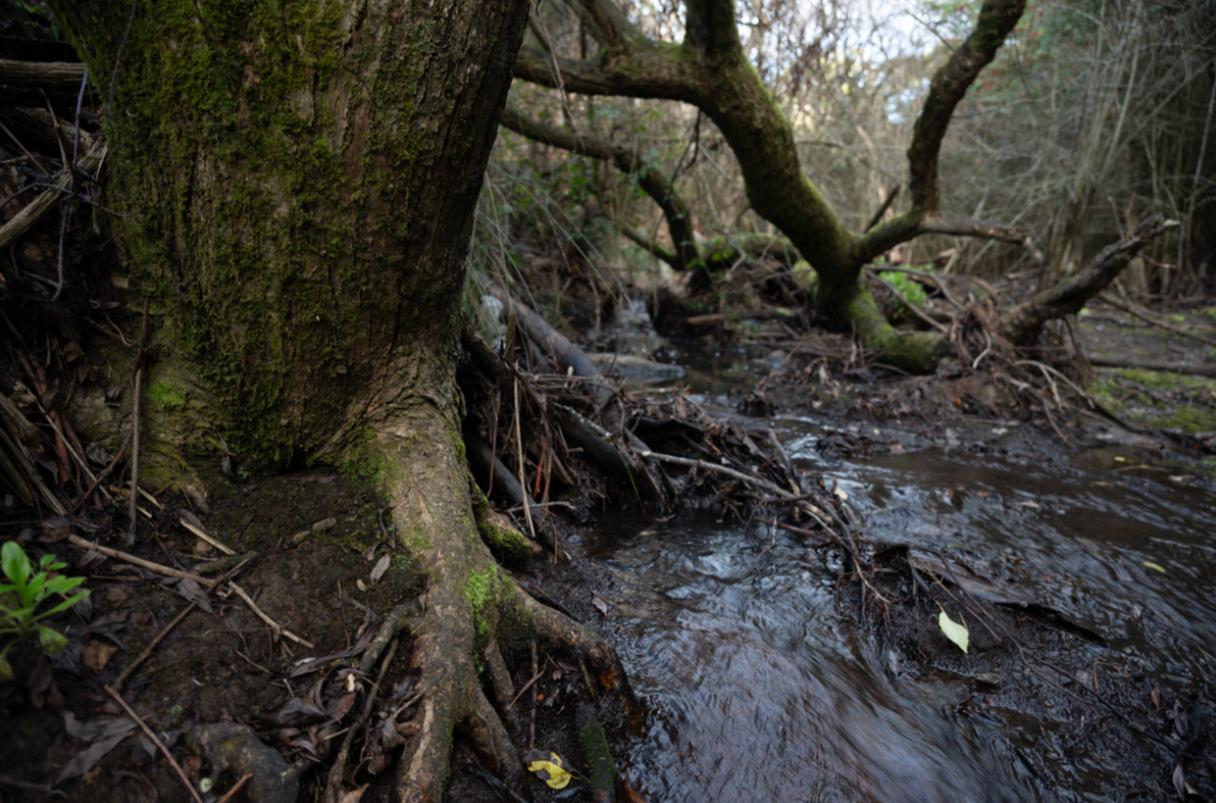
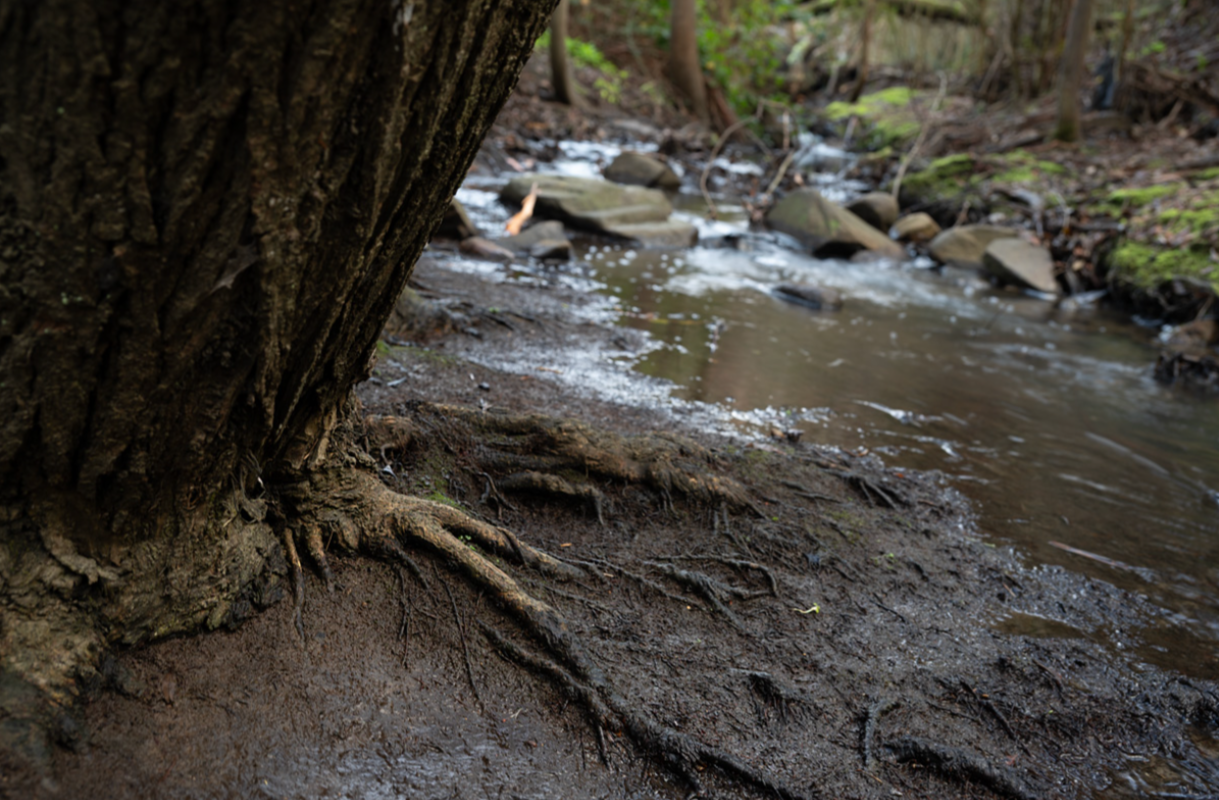
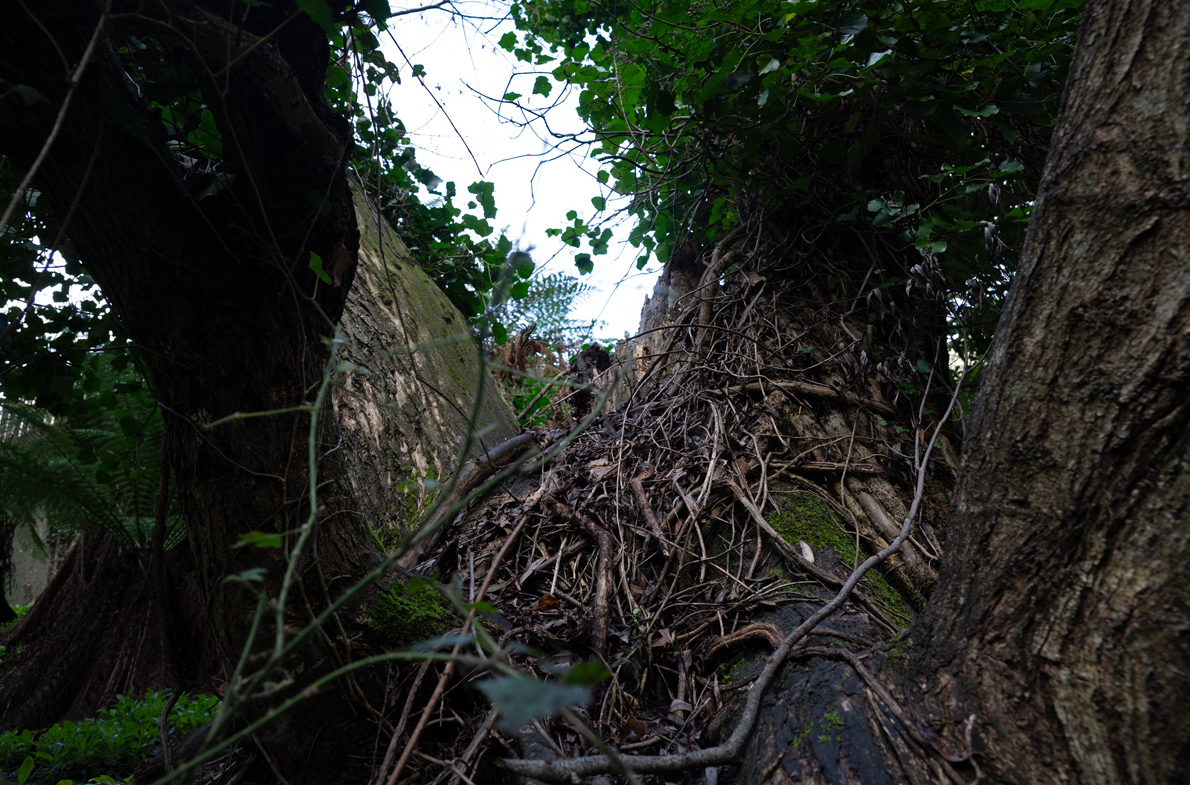
Crack willows growing on private and public land along the Sandy Bay Rivulet choke the waterway, forming impenetrable thickets that can lead to flooding and bank erosion, increasing the risks to people, homes, businesses and infrastructure during major flood events.
They are also a highly invasive environmental weed. Their roots spread throughout waterways, pushing out native trees and shrubs, reducing oxygen available for fish and other aquatic wildlife, and making it hard for platypus to forage for food and create burrows.
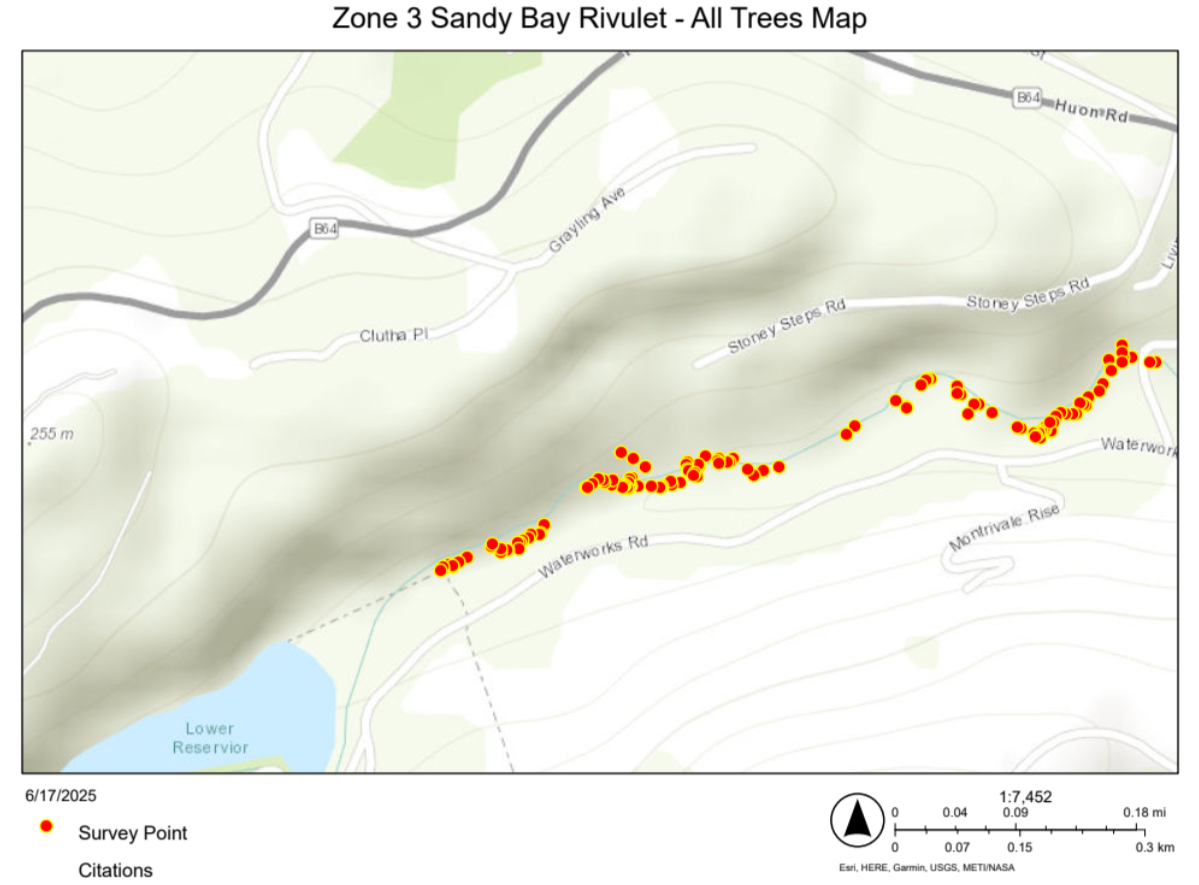
Unlike the Hobart Rivulet most of the crack willows marked for removal along the Sandy Bay Rivulet are on private property – in total 319 crack willows have been mapped for removal.
This project will reduce the risk and harm from major flood events to people, nature, built infrastructure and businesses near the Sandy Bay Rivulet. It will also lead to a more resilient Sandy Bay and Dynnyrne community, better prepared for and protected from major flood events.
As a resident affected by this project, you should have received a letter outlining the staged removal of crack willow trees from your property.
For updates on this project, follow the City on Facebook and Instagram. Project updates will also be posted to the City of Hobart website.
Join us at Waterworks Reserve to hear all about this project from our waterways team. Come along if you would like to learn more or have any questions for the team.
Please complete the online registration form to assist in the removal of crack willow/s from your property.
Additionally, through the form, please share any feedback or concerns you have about the project, and select the free trees or plants you would like to replace the willows.

If you have any questions or want to learn more about a project, get in touch:
| communityengagement@hobartcity.com.au | |
| Website | hobartcity.com.au |
| In writing | Town Hall, Macquarie St |