Negotiables
- Actions to include in a plan
- Prioritisation of actions

The Draft Hobart Housing Action Plan is a short‑ to medium‑term plan that sets out practical steps Council can take to increase the supply and affordability of homes in our city.
Housing is under pressure in Hobart. At the Housing Forum we worked with stakeholders from the housing sector to understand the challenges and opportunities available to us and shape targeted actions Council can deliver, partner on and advocate for.
Tell us what matters to you between 23 February and 23 March 2026. Your feedback is so valuable. Sharing even one or two priorities or ideas will help us improve the draft before it’s finalised.
Because there isn’t enough affordable housing in the City of Hobart, people are more at risk of having to change where or how they live if their income or family situation changes. This could happen after a separation, a period of unemployment, an accident, or an injury.
When affordable housing is limited, key workers can’t always live close to where they work, and young people may struggle to stay in the area they grew up in.
If nothing changes, the shortage will get worse. It will create a divide between people who can afford to live in Hobart and those who have to move away to find a place they can afford.
Buying or renting a home in the City of Hobart has become too expensive for many people. Building new homes in Tasmania now costs much more than it used to, and there isn’t much available land close to schools, jobs, health services, or good public transport.
The City of Hobart is creating the Housing Action Plan to give a clear direction for how we can respond to our community’s different housing needs.
Our Action Plan mainly focuses on making housing more affordable and increasing the number of homes available in the City of Hobart.
The Hobart Housing Action Background Paper outlines the current housing situation and presents ideas that can be developed into actions in the Hobart Housing Action Plan to help increase housing supply in our city.
The City will take on several roles in the delivery of the Actions including:
Affordable housing means homes to buy or rent—including social housing—that suit the needs of people with very low to moderate incomes. It usually means housing that costs no more than 30% of a household’s gross income.
Affordable rental housing refers to properties that are made available at rents below market rates and are affordable for low to moderate income households. Typically, this means rents are set at or below 80 per cent of market rates and not more than 30 per cent of a household’s gross income. This includes key worker housing and social housing.
Social housing is affordable housing provided by the government and community sectors to assist people who are unable to afford or access suitable accommodation in the private rental market. It includes public housing, state owned and managed Indigenous housing and community housing. Rents are set as a proportion of household income.
Key worker housing refers to affordable rental or purchase options for workers in essential services who often struggle to afford housing due to their income or the high cost of living in areas close to their employment.
The City works with local community groups, homelessness services, charities, and all levels of government to address homelessness in a coordinated way.
After the Homelessness Crisis Forum in 2019, the City formed the Greater Hobart Homelessness Alliance to support joint projects that respond to homelessness in the short, medium, and long term. The City also created the Housing with Dignity Reference Group so people with lived experience of homelessness or serious housing stress can share their views and help guide the City’s response.
This work informed the Housing and Homelessness Strategy 2016–19 and then the Affordable Housing and Homelessness Commitment 2021–23.
A decision was made in 2024 to separate this project into two, with crisis accommodation and homelessness covered under the City for All Action Plan 2026-29 Homelessness actions, and the Housing Action Plan providing a strategic land use planning approach to increase the diversity and affordability of housing.
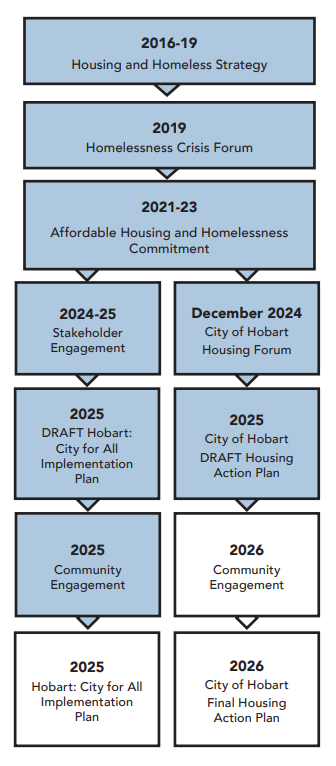
To develop the Background Paper, the City carried out detailed research, data analysis, and worked closely with people from the housing sector, using the most up-to-date information available at the time of publication. This included research from key strategies, data, and reports such as:
Stakeholder input was also critical, particularly through the Hobart Housing Forum held in December 2024, which identified key challenges and opportunities to improve housing affordability and increase supply.
The Action Plan brings together this research and feedback to set out actions, including policies, planning controls, and projects to encourage more and better-quality housing in the right locations across the Hobart local government area.
Our Action Plan was informed by “drivers of change” which we identified through research, data analysis, and stakeholder engagement.

This is a helpful "cheat sheet" for you to understand the draft Action Plan.
A Background Paper was prepared to inform the Housing Action Plan.
This is the draft Action Plan, the document that we want your feedback on!
We define some key terms to help you understand the Action Plan.
Findings from the 2024 Hobart Housing Forum on affordability and supply.
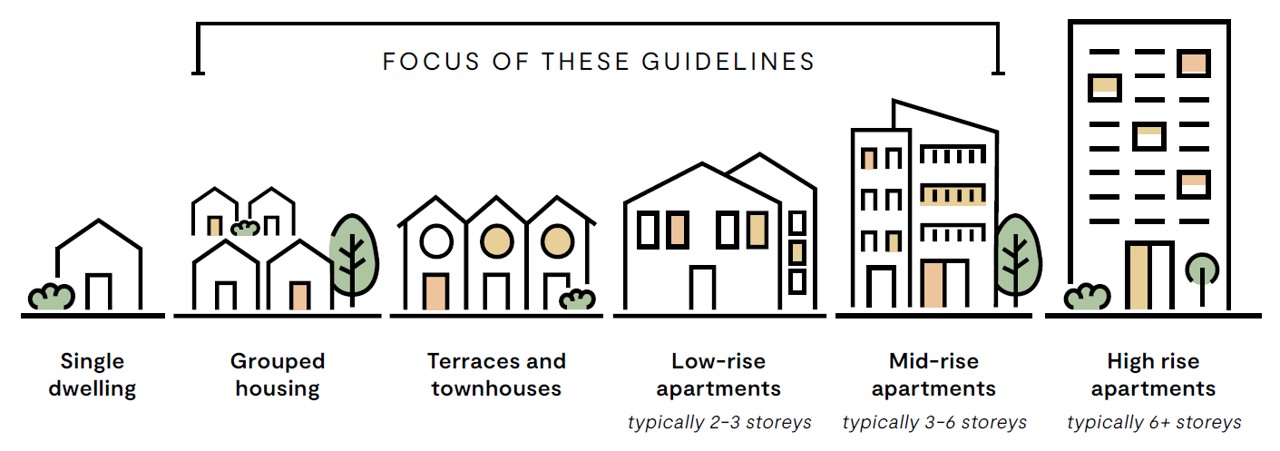
The Medium Density Design Guidelines were prepared by ERA Planning and Environment, in collaboration with Cumulus Studio, HIP V. HYPE, Andy Fergus, and SBLA Studio
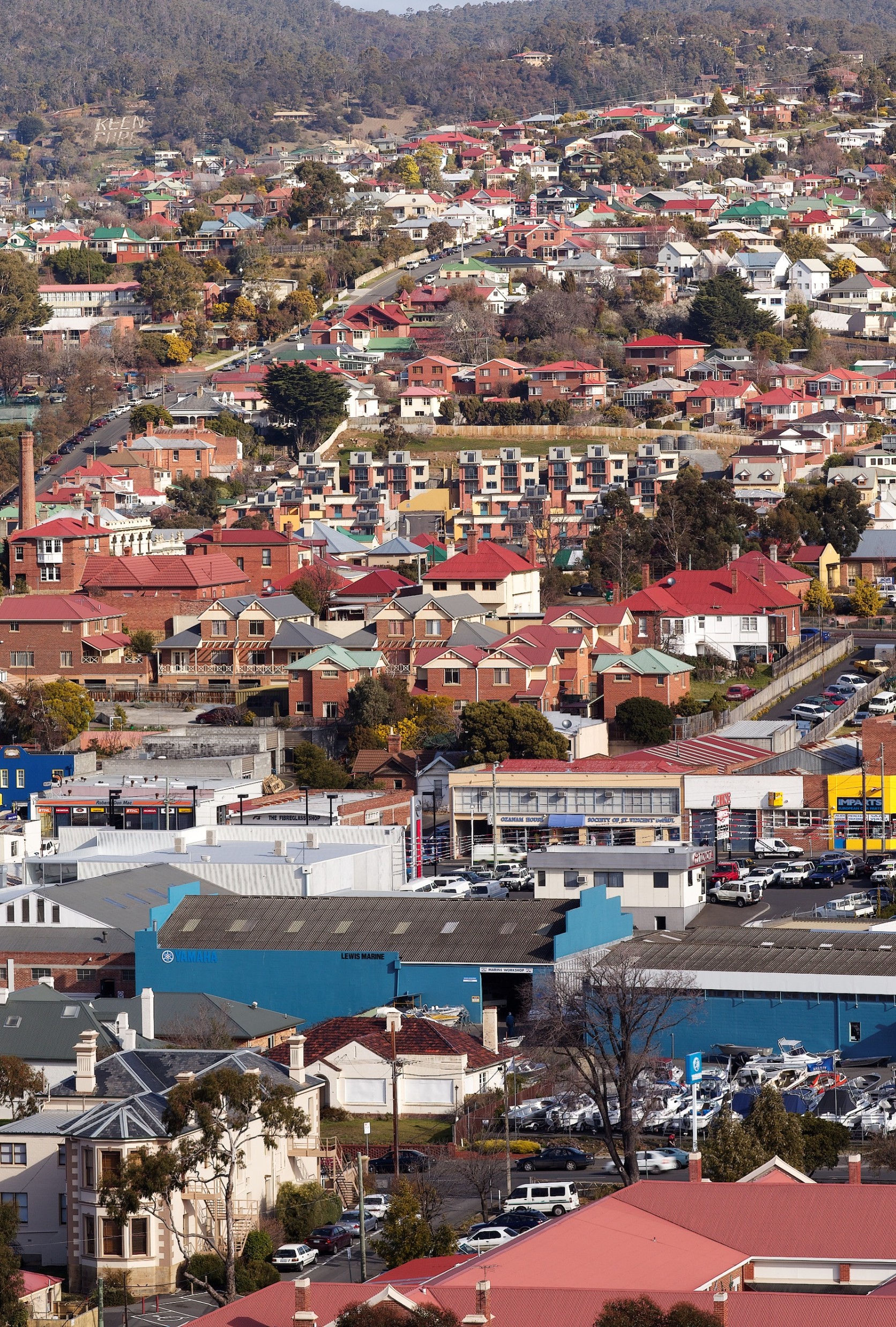
An aerial view of Hobart looking toward West Hobart. Underutilised land with car yards and large warehouses can be seen in the foreground.
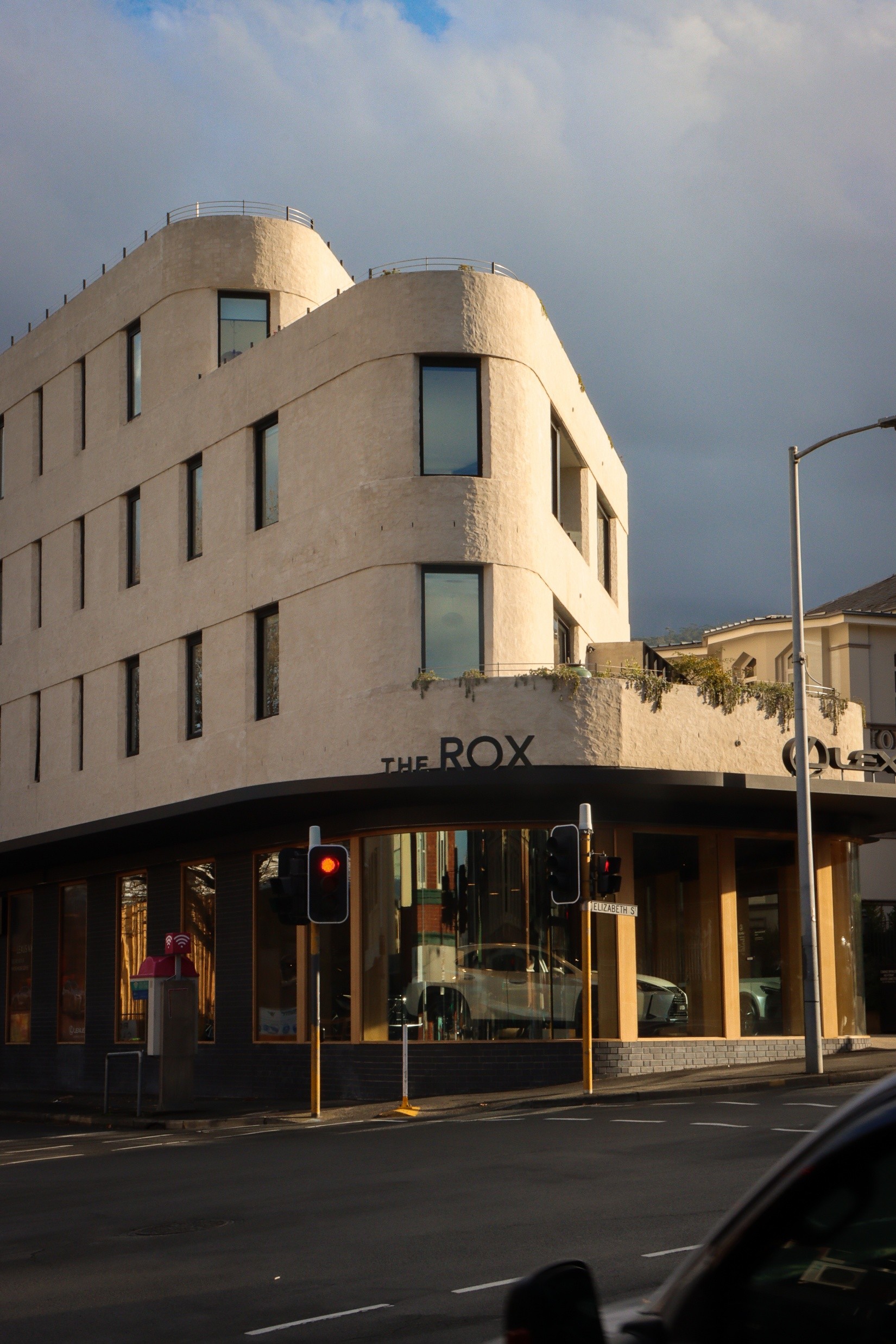
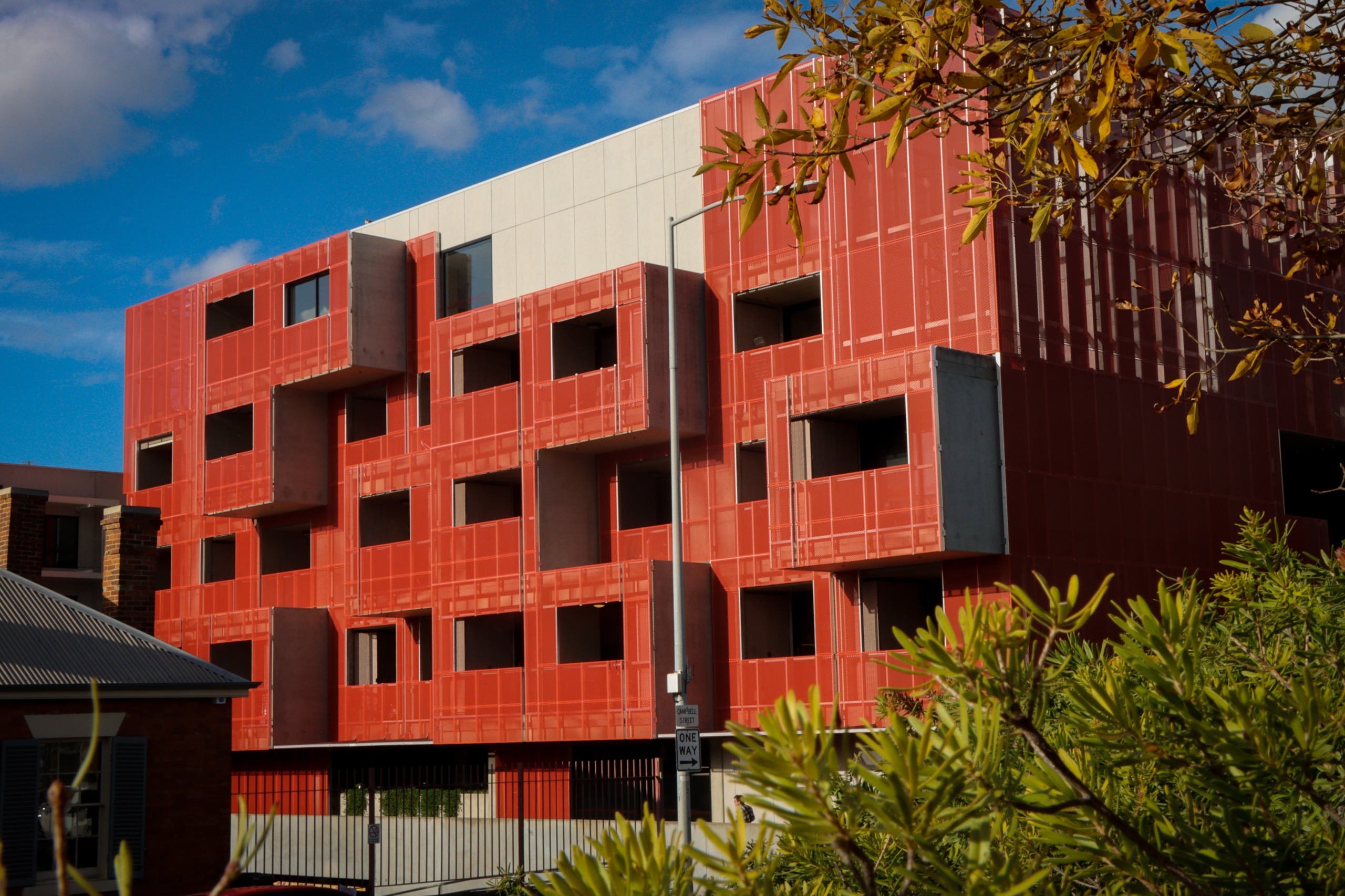
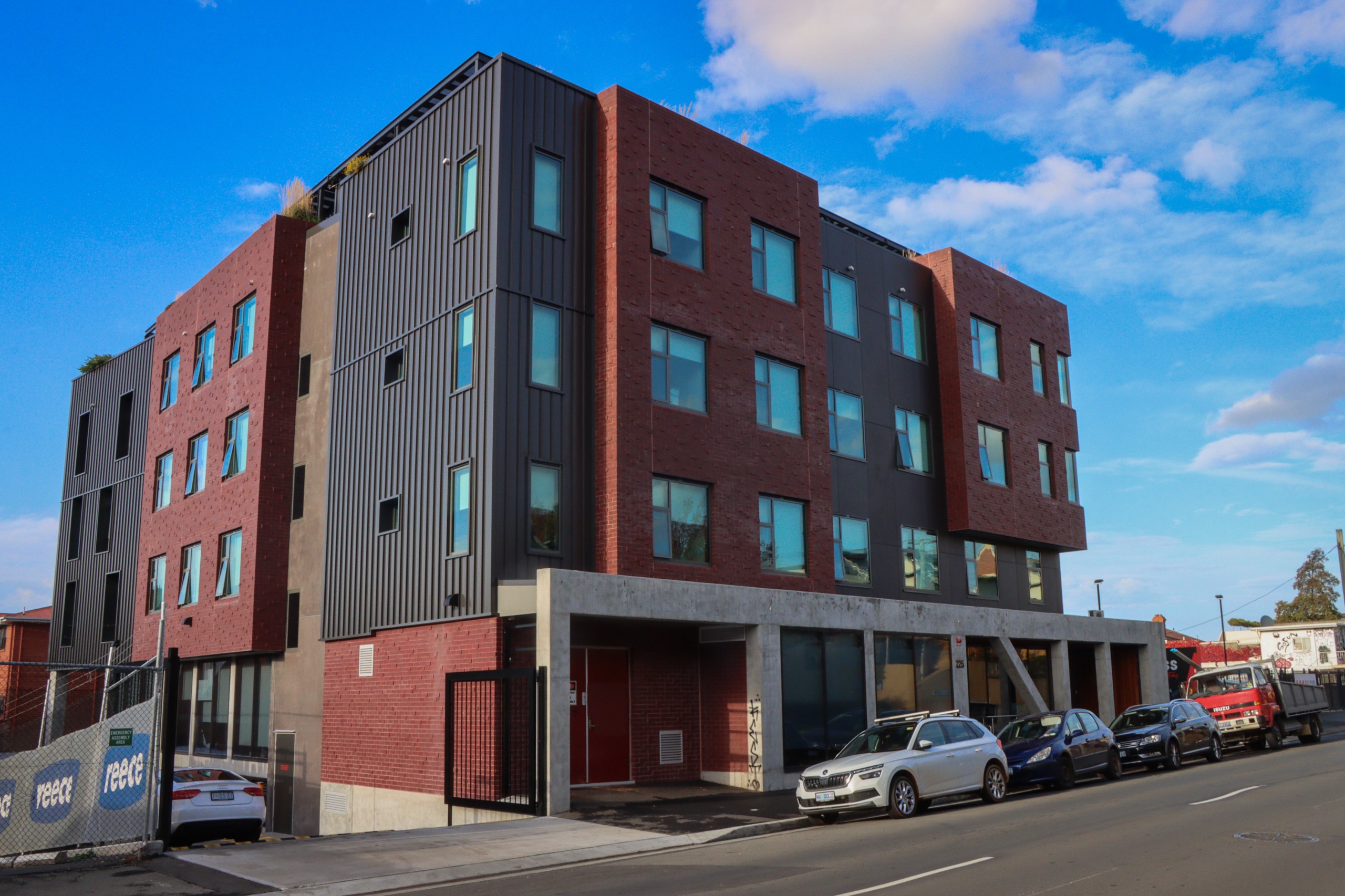
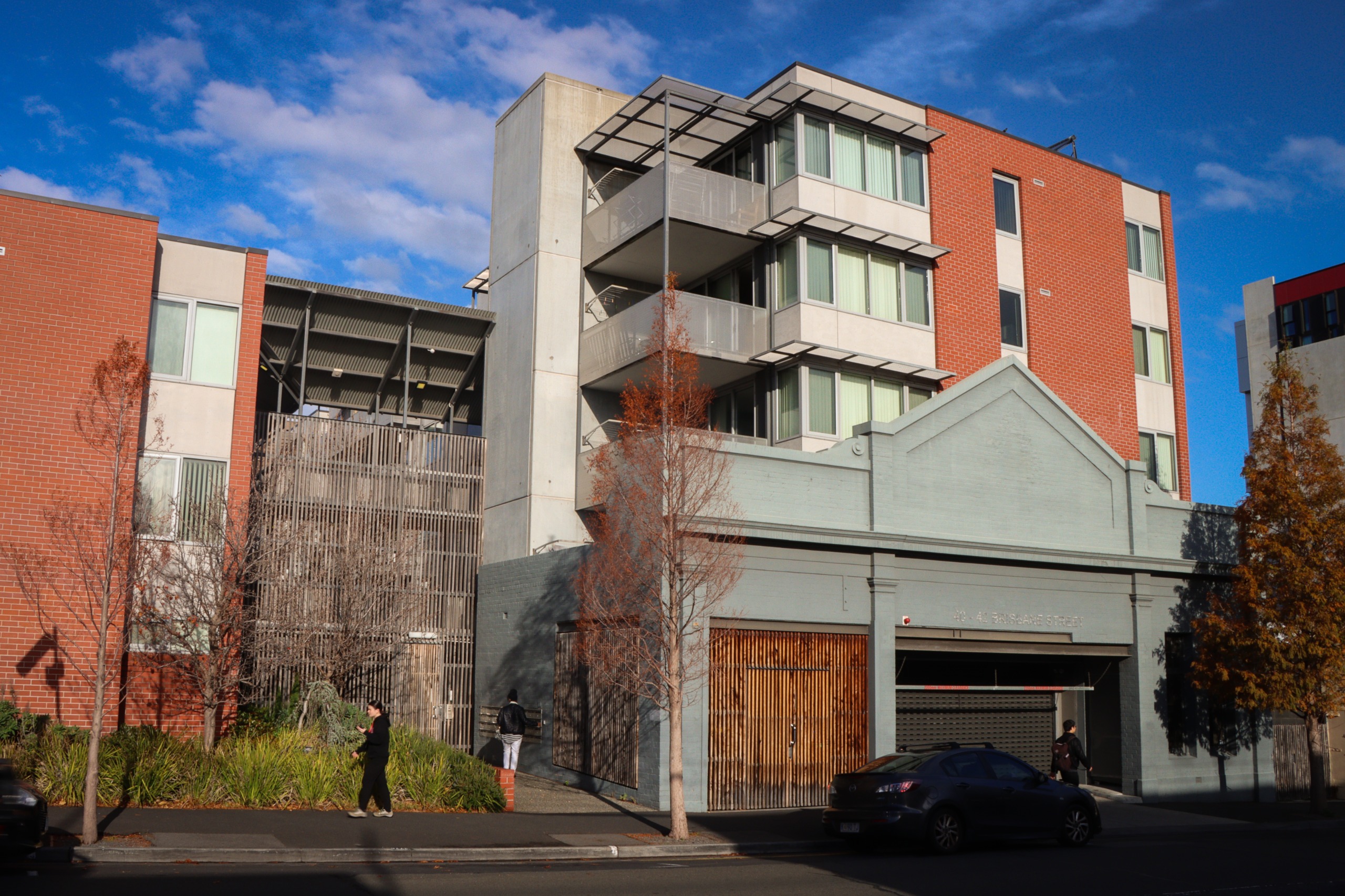
Photo of 4 storey building, The Rox, which is a good medium density, mixed use housing development in Hobart. Designed by Core Collective Architects.
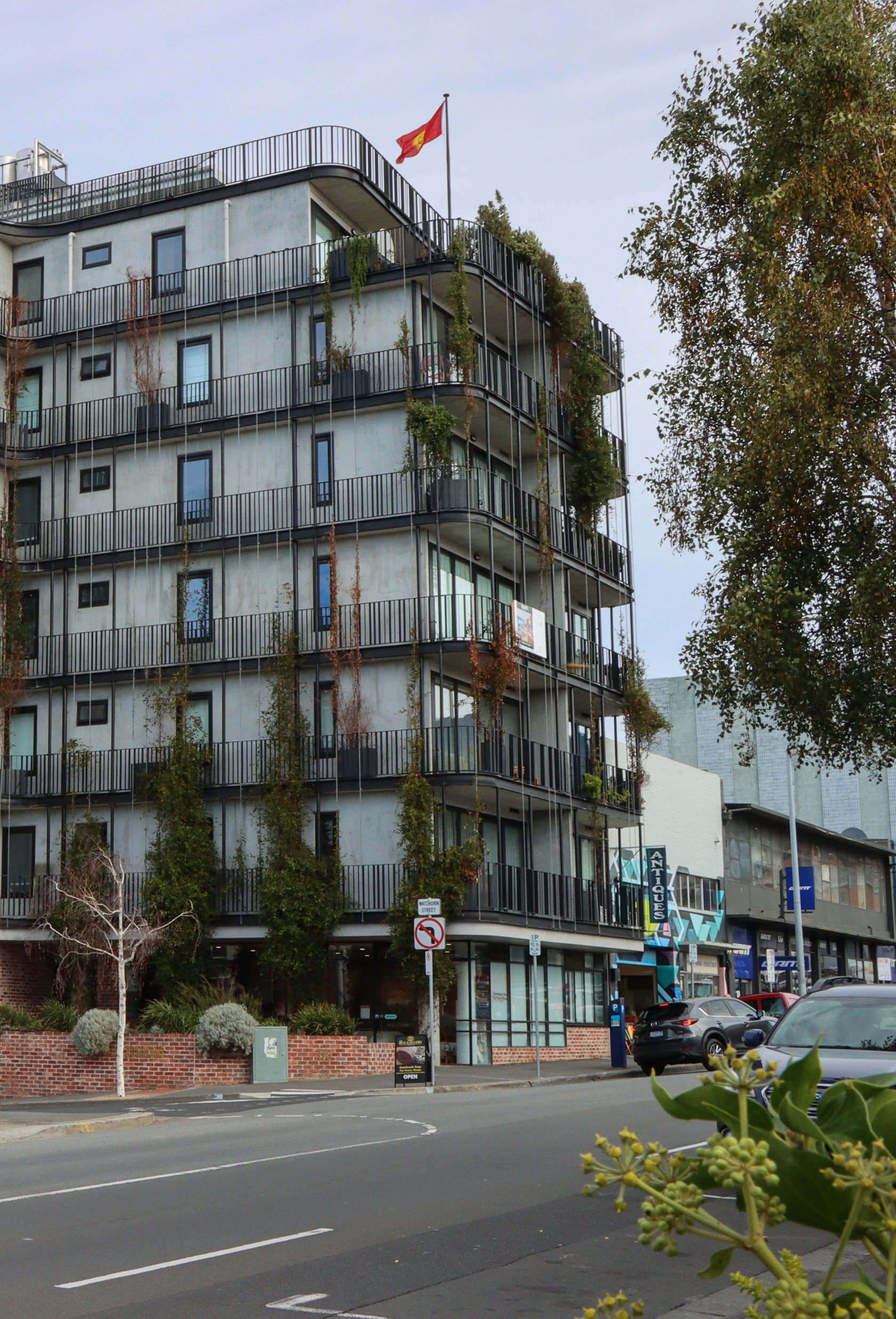
Photograph of a 7 storey mixed use apartment building called The Commons located in Hobart and designed by Core Collective Architects.
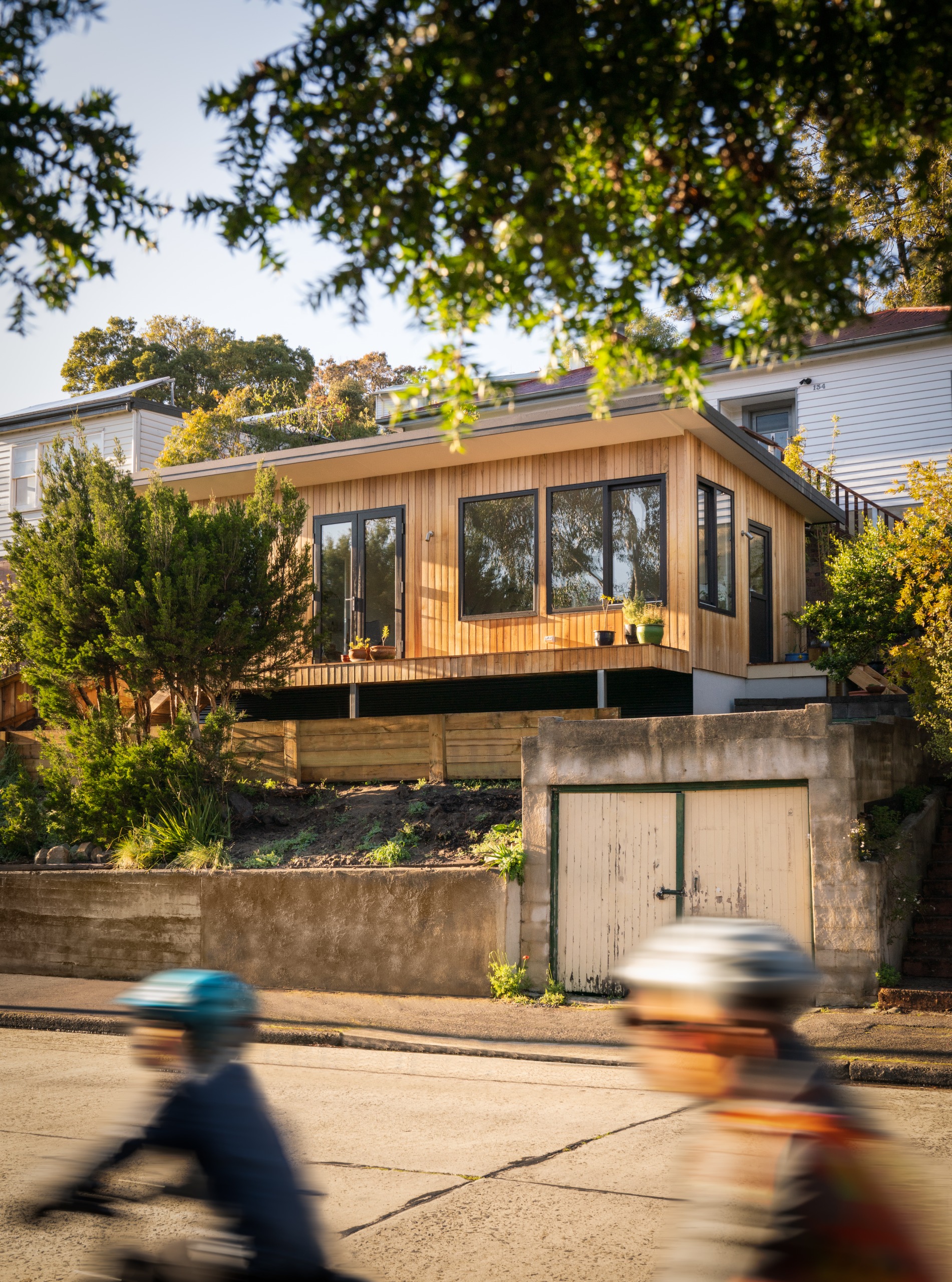
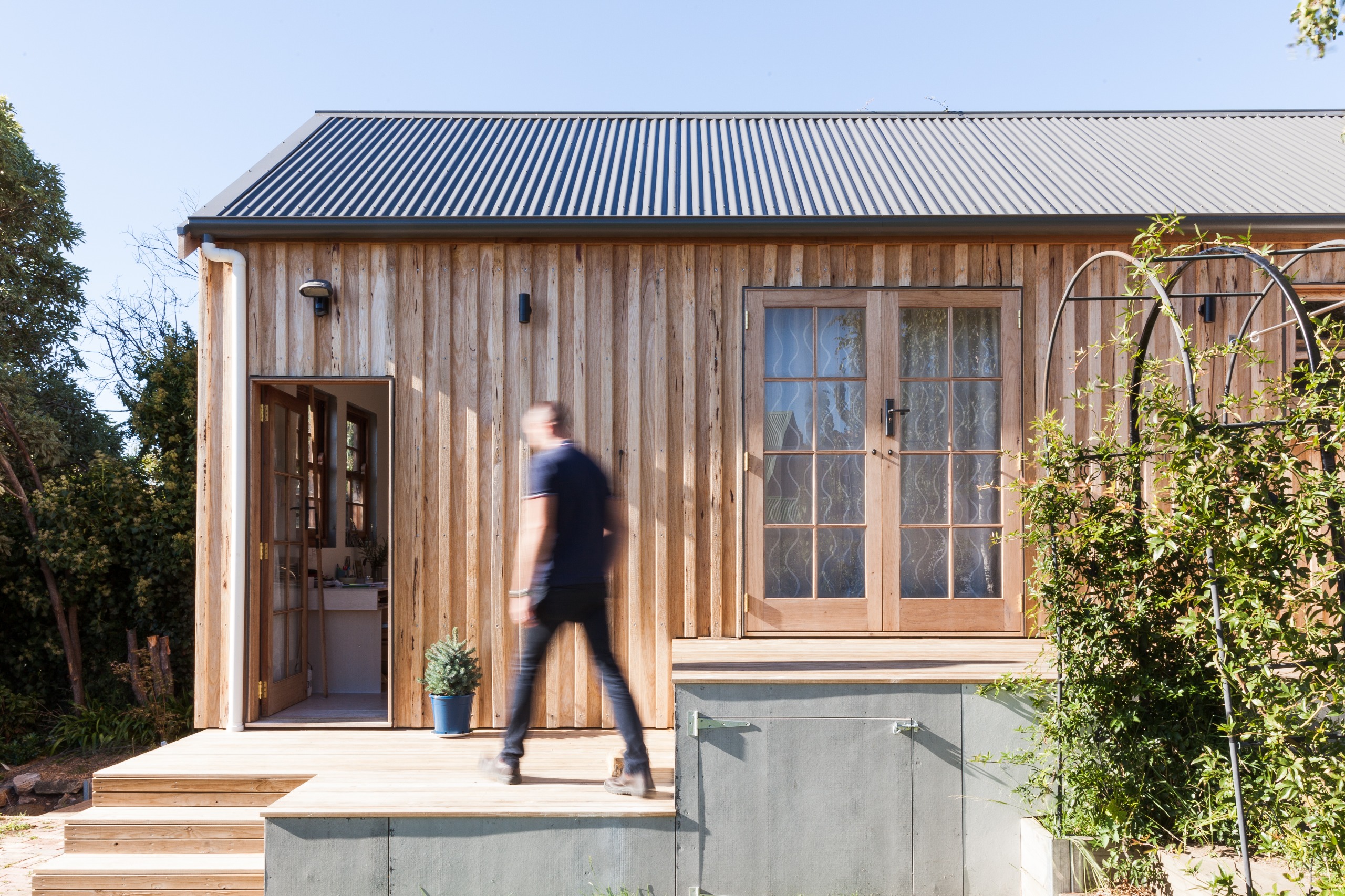
Example of a secondary residence in front of a main housing, sharing one property. Building designed by Designful, photographed by Natalie Mendham.
Photo of Bethlehem House emergency accommodation for people experiencing homelessness, designed by Tim Penny Architecture.

If you have any questions or want to learn more about a project, get in touch:
| communityengagement@hobartcity.com.au | |
| Website | hobartcity.com.au |
| In writing | Town Hall, Macquarie St |